
Celebrity
Who Was Garrett O’Connor? All You Need to Know About the Famous Psychiatrist

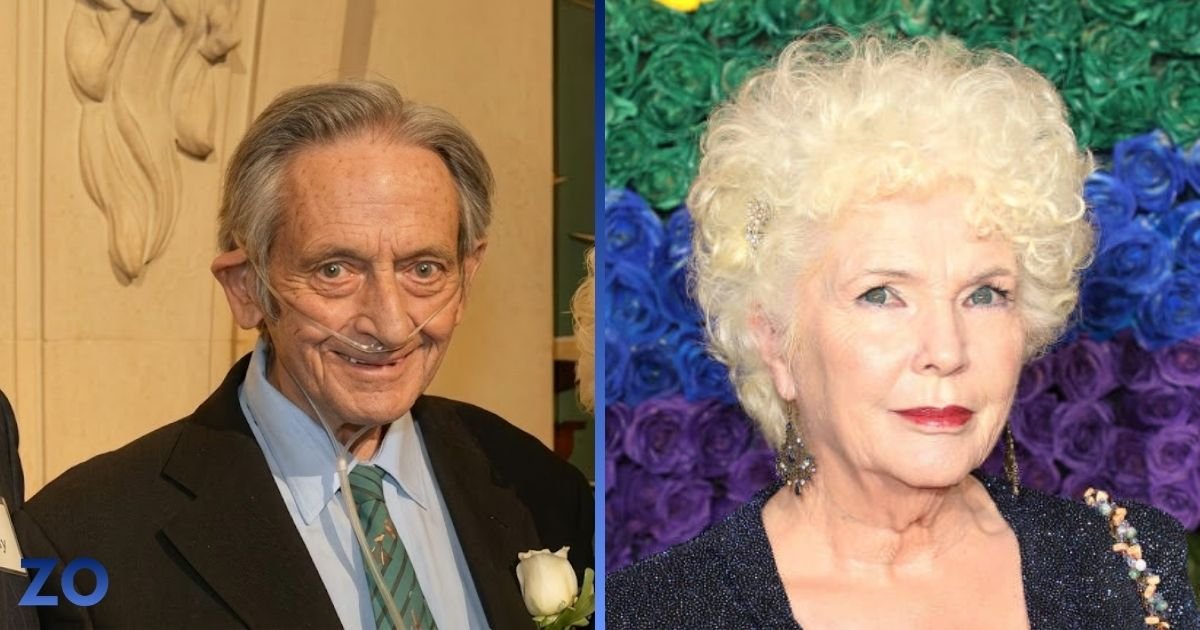
Garrett O’Connor was a respected Irish psychiatrist who became a leading voice in addiction recovery and mental health treatment. Born in Dublin in 1944, he built an international career in psychiatry and later became the President and CEO of the Betty Ford Institute in the United States. What made Garrett O’Connor unique was his honesty about his own struggle with alcoholism and his recovery in 1977. He used that experience to help thousands of people understand addiction and healing. Beyond medicine, he was also known as the husband of Irish actress Fionnula Flanagan and a strong supporter of Irish culture and community life.
Profile Summary
| Category | Details |
|---|---|
| Full Name | Garrett Joseph O’Connor |
| Known As | Garrett O’Connor |
| Date of Birth | September 1, 1944 |
| Age at Death | 71 |
| Birthplace | Dublin, Ireland |
| Nationality | Irish |
| Ethnicity | Irish / Caucasian |
| Religion | Raised Catholic; later deeply spiritual through 12-step recovery |
| Profession | Psychiatrist, Addiction Specialist, Academic |
| Famous For | Addiction recovery work and leadership at the Betty Ford Institute |
| Education | Royal College of Surgeons in Ireland; Johns Hopkins University |
| Academic Roles | Johns Hopkins University, UCLA |
| Major Positions | Chief Psychiatrist at Betty Ford Center; CEO of Betty Ford Institute |
| Wife | Fionnula Flanagan |
| Children | Matthew O’Connor, Turlough O’Connor, Mary Lee-Woolf |
| Grandchildren | Kalina, Tom, Finnian, Serena, Clayton, Aidan, Olivia |
| Great-Grandchildren | Mason, Cove |
| Residence | Beverly Hills, California and later County Wicklow, Ireland |
| Death | September 1, 2015 |
| Burial | Mount Jerome Cemetery, Dublin |
| Known Theory | Malignant Shame Theory |
Early Life & Family Background
Garrett O’Connor was born on September 1, 1944, in Dublin, Ireland. He grew up in a country with a deep history, strong traditions, and a powerful cultural identity. Ireland in those years was still shaped by memories of political struggles and social hardship. These ideas about history and identity later influenced many of Garrett O’Connor’s thoughts about mental health and addiction.
As a young boy, Garrett O’Connor attended Clongowes Wood College, a well-known Jesuit school in Ireland. The same school had once educated the famous writer James Joyce. His early education helped shape his curiosity about human behavior, society, and emotions. Later he also studied at Saint Mary’s in Rathmines.
Education
Garrett O’Connor decided early in life that he wanted to study medicine. He earned his medical degree from the Royal College of Surgeons in Ireland. This school is one of the most respected medical institutions in the country. His time there gave him the scientific foundation he needed to become a doctor.
After finishing medical school, Garrett O’Connor moved to the United States to continue his training. He joined the Johns Hopkins University School of Medicine, where he completed his residency in psychiatry. Johns Hopkins is known around the world for medical research and innovation.
During his time at Johns Hopkins, Garrett O’Connor helped create one of the first psychiatric emergency services in the United States. This program helped people who were in serious mental health crises. Instead of waiting weeks for treatment, patients could get help right away.
Later in his career, he also worked at the University of California, Los Angeles (UCLA). At UCLA, Garrett O’Connor served as an associate clinical professor of psychiatry.
Recovery Story
Even though Garrett O’Connor was becoming a respected doctor, he was also dealing with a very personal struggle. For about 25 years, he battled alcoholism. He later described those years as full of shame, fear, and regret. Like many people dealing with addiction, he felt trapped in a cycle that seemed impossible to escape.
Everything changed on March 6, 1977. That day became the most important turning point in Garrett O’Connor’s life. It was the day he entered recovery and became sober. From that moment forward, he began a new path that shaped both his personal life and his career. He celebrated that sobriety date every year and often shared the story with his patients.
What made Garrett O’Connor unique was his willingness to speak openly about his past. At a time when many doctors avoided discussing their own struggles, he believed honesty could help others heal. Garrett O’Connor also believed in what he called the “Five Freedoms.”
Career Work
After his recovery, Garrett O’Connor’s career reached new heights. He began focusing his work on helping others recover from alcohol and drug problems.
One of the most important parts of his career was his work with the Betty Ford Center. The center is one of the most well-known addiction treatment facilities in the world. Garrett O’Connor served as Chief Psychiatrist there from 2002 to 2008. Later, he became the founding President and CEO of the Betty Ford Institute from 2008 to 2012. In these roles, he helped shape modern addiction treatment programs.
Garrett O’Connor also worked outside hospitals and universities. He co-founded a consulting firm called MetaRisk. This company helped corporations deal with risks related to employees struggling with addiction. His expertise was even used in major legal cases. For example, he served as an expert witness in the Exxon Valdez oil spill trial, one of the largest environmental cases in history.
Another area where Garrett O’Connor made a difference was aviation safety. He worked as a consultant for the Federal Aviation Administration. His job was to evaluate whether pilots and flight crew members were mentally fit to work after stressful or dangerous situations. His work included evaluations after major tragedies such as the September 11 attacks and the Lockerbie bombing.
Marriage Timeline With Fionnula Flanagan
The story of Garrett O’Connor would not be complete without talking about his relationship with actress Fionnula Flanagan. Their love story began in 1969 in a very unexpected way. They met in the hallway of the Round Towner Motel in Baltimore, Maryland. At the time, Flanagan was on a U.S. tour performing in the play Lovers. Actor Eamon Morrissey introduced them.
The first meeting quickly became a famous story in their family. Flanagan once said she opened her hotel room door and saw Garrett O’Connor on his hands and knees in the hallway telling a joke to Morrissey. Everyone involved had been drinking, and Flanagan joked later that they were all “drunk as skunks.” Garrett O’Connor later said he fell in love the moment he saw her. Flanagan said it took her about two days and even a trip to the zoo before she was convinced.
The couple married on November 26, 1972. When they married, Flanagan also became stepmother to Garrett O’Connor’s two young sons, Matthew and Turlough. She once joked that marrying Garrett meant she was “marrying a group.”
Everything changed after Garrett O’Connor entered recovery in 1977. Not long after, Flanagan also began her own recovery journey. For decades, Garrett O’Connor and Fionnula Flanagan lived in the Hollywood Hills and later Beverly Hills.
Who is Fionnula Flanagan?
Fionnula Flanagan is one of Ireland’s most respected actresses. She was born on December 10, 1941, in Dublin, Ireland. She grew up in a family that cared deeply about Irish culture and language. Her father, Terence Niall Flanagan, served in the Irish Army and had strong political views. Her mother, Rosanna McGuirk Flanagan, believed strongly in the Irish language. Because of this, Fionnula grew up speaking both English and Irish.
When she was young, books and stories filled her home. Her parents loved literature and often spoke about famous writers like James Joyce and George Bernard Shaw. This helped shape Fionnula’s love for theatre and storytelling. She later studied languages at the University of Fribourg in Switzerland.
Her acting journey began seriously when she trained at the Abbey Theatre School in Dublin. The Abbey Theatre is Ireland’s national theatre and a very important place for Irish actors. In 1964, she received wide attention for her role in the Irish-language play An Triail. The performance earned her a Jacob’s Award and started her long career in acting.
Over the years, Fionnula Flanagan appeared in many well-known films and television shows. She played Mrs. Mills in the film The Others in 2001. She also appeared in films like Waking Ned, Four Brothers, and Yes Man. Many television fans know her as Eloise Hawking in the series Lost. She also had roles connected to both the Star Trek and Star Wars worlds.
Even today, she continues to work in film and television. In recent years she appeared in the film Four Mothers and the series Bodkin. She also has roles in the upcoming show Small Town, Big Story and the short film Brown Bread.
Meet His Children
Matthew O’Connor
Matthew O’Connor is the eldest son of Garrett O’Connor. Much of his life has remained private, but he was very important to his father. Garrett often spoke about Matthew during lectures about recovery and family healing. Their relationship showed how honesty can rebuild trust inside a family.
Matthew O’Connor is married to Julie O’Connor. Together they have built a quiet life away from public attention.
Turlough O’Connor
Turlough O’Connor is the second son of Garrett O’Connor. Like his brother, he grew up in a very interesting environment. His childhood was split between Ireland and Los Angeles. Because his father worked in medicine and his stepmother Fionnula Flanagan worked in film and theatre, Turlough was surrounded by creative and intellectual conversations.
Turlough later married Mary Cleary. Their relationship became part of the close family network that Garrett O’Connor often described as his greatest support.
Mary Lee-Woolf
Mary Lee-Woolf is the daughter of Garrett O’Connor. She has always chosen to keep a low public profile. Even so, she played an important role in her father’s later years. She remained very close to him, especially during the time he returned to Ireland.
During Garrett O’Connor’s final years in County Wicklow, Mary Lee-Woolf was often nearby. Family members remember that she helped support him while he continued his work and writing. She was also part of the family presence during the period when he was working with filmmaker Terry McMahon on a project about his life.
Later Years & Legacy
In the later part of his life, Garrett O’Connor remained active in teaching and consulting. Even after retiring from major leadership roles, people continued to ask for his advice.
Garrett O’Connor also spent time speaking with communities about emotional healing. He believed addiction could not be understood without looking at history, culture, and family life. His idea of “malignant shame” explained how deep cultural wounds could affect people for generations.
His home with Fionnula Flanagan in Beverly Hills had already become famous among Irish immigrants in Los Angeles. Writers, actors, musicians, and political leaders often gathered there.
In his final years, Garrett O’Connor returned to Ireland with Fionnula Flanagan. They settled in Annacurragh near Aughrim in County Wicklow.
Death and Funeral
Garrett O’Connor passed away peacefully on September 1, 2015. It was also his 71st birthday. He died while sleeping at his home in Annacurragh, County Wicklow. His passing marked the end of a long and meaningful life dedicated to helping others.
His funeral took place a few days later at Mount Jerome Cemetery and Crematorium in Harold’s Cross, Dublin. Many friends, family members, and colleagues attended. Irish political leader Gerry Adams delivered a moving speech that honored Garrett O’Connor’s work and character.
A second memorial service was also held in California. This allowed many of his colleagues from the Betty Ford Institute, UCLA, and other organizations to pay their respects.
Final Thoughts
The story of Garrett O’Connor is not just about medicine. It is about change, honesty, and the power of recovery. He started life in Dublin, faced personal struggles with addiction, and later became a world leader in helping others heal.
His work at Johns Hopkins, UCLA, and the Betty Ford Institute helped shape modern addiction treatment. His theory about cultural shame opened new ways of thinking about mental health.
READ ALSO: Who Is Roderick Plummer? All About The Life Of Cynda Williams’s Ex-Husband
(FAQs)
Who was Garrett O’Connor?
Garrett O’Connor was an Irish psychiatrist and addiction recovery pioneer. He became widely known for his work at the Betty Ford Center and for helping shape modern addiction treatment.
When was Garrett O’Connor born?
Garrett O’Connor was born on September 1, 1944, in Dublin, Ireland.
Who was Garrett O’Connor’s wife?
Garrett O’Connor was married to Irish actress Fionnula Flanagan. The couple married in 1972 and remained together until his death in 2015.
How many children did Garrett O’Connor have?
Garrett O’Connor had three children: two sons, Matthew O’Connor and Turlough O’Connor, and a daughter named Mary Lee-Woolf.
What was Garrett O’Connor famous for?
He was famous for his work in addiction medicine, especially his leadership at the Betty Ford Center and Betty Ford Institute.
What is Garrett O’Connor’s theory of malignant shame?
Garrett O’Connor developed the idea that deep cultural trauma and historical oppression can create feelings of shame that lead to addiction across generations.
When did Garrett O’Connor become sober?
Garrett O’Connor entered recovery on March 6, 1977, after struggling with alcoholism for about 25 years.
When did Garrett O’Connor die?
Garrett O’Connor died peacefully in his sleep on September 1, 2015, at his home in County Wicklow, Ireland.
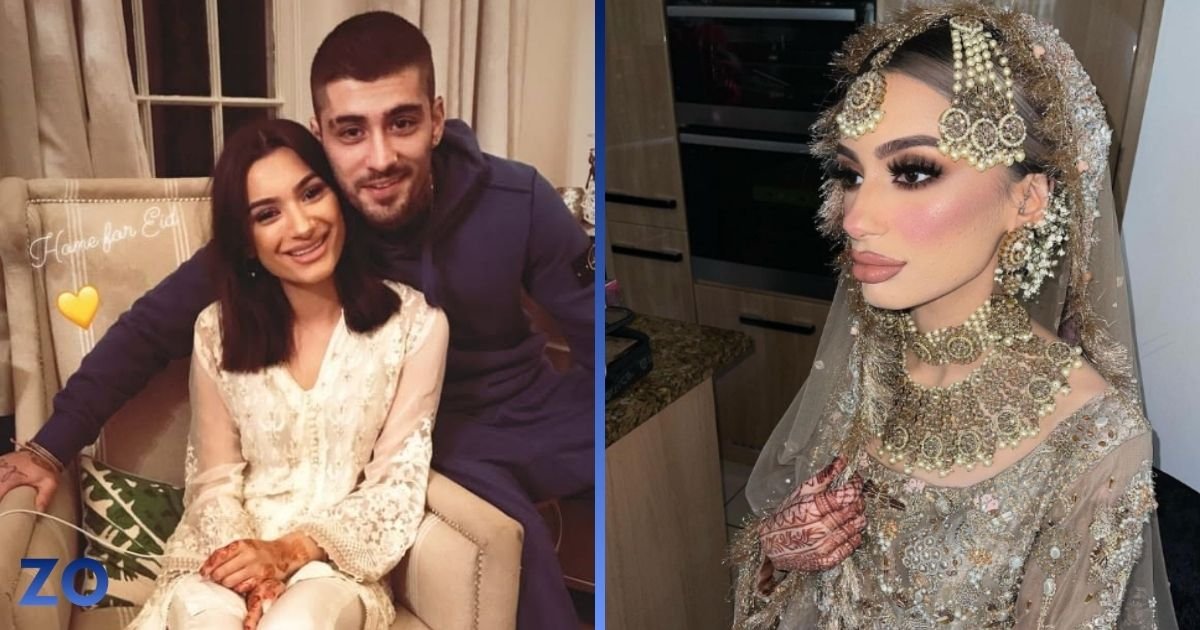
Waliyha Malik is a British social media influencer, entrepreneur, and fashion personality best known as the younger sister of global music star Zayn Malik. She has built her own identity through beauty businesses, digital content, and lifestyle blogging. From her early public appearances with One Direction to her journey into marriage and motherhood, Waliyha’s life reflects a mix of family loyalty, personal growth, and modern influencer success.
Profile Summary
| Field | Details |
|---|---|
| Full Name | Waliyha Azad Malik |
| Date of Birth | July 23, 1998 |
| Age (2026) | 27 years old |
| Birthplace | Bradford, West Yorkshire, England |
| Nationality | British |
| Ethnicity | Mixed (British-Pakistani & English-Irish) |
| Religion | Islam |
| Height | 5 ft 4 in (163 cm) |
| Weight | 54 kg (119 lbs) |
| Profession | Influencer, Entrepreneur, Model |
| Known For | Sister of Zayn Malik |
| Father | Yaser Malik |
| Mother | Trisha Malik |
| Siblings | Doniya Malik, Zayn Malik, Safaa Malik |
| Marital Status | Married |
| Husband | Muhammad Junaid Khan |
| Children | 1 Son (Ehsaan Khan) |
| Residence | West Yorkshire, England |
| Net Worth | $250,000 – $500,000 (estimated) |
| Income Sources | Social media, beauty business, brand deals |
Waliyha Malik’s Early Life, Identity, Education, and Public Introduction
Waliyha Azad Malik was born on July 23, 1998, in Bradford, West Yorkshire, England. She grew up in East Bowling, a working-class area where family played a very important role. Her father, Yaser Malik, is British-Pakistani, while her mother, Trisha Malik, comes from an English-Irish background and later converted to Islam. Because of this, Waliyha grew up in a home that blended different cultures, traditions, and values.
She attended Tong High School, now called Tong Leadership Academy, before continuing her education in childcare and beauty-related studies at a local college. Even before becoming an influencer, she had an interest in helping people and learning practical skills. Those interests later matched well with her work in beauty and digital content.
Life changed for the Malik family when her older brother, Zayn Malik, found worldwide success on The X Factor UK in 2010 and later became part of One Direction. Suddenly, the family attracted attention from fans and the media around the world. While Waliyha was still young, she learned how life could change when someone close becomes an international star.
Her first major public appearance came in 2013 when she appeared alongside her family in One Direction’s music video for “Story of My Life.” The video recreated real family memories, allowing millions of fans to see the people behind the famous singer. That same year, she also attended the London premiere of One Direction: This Is Us, giving her another early taste of public life.
Waliyha Malik’s Career, Business Ventures, Beauty Work, and Social Media Presence
Rather than following her brother into the music industry, Waliyha chose a different path. She focused on beauty, fashion, and digital media. As social media became more popular, she slowly built her own audience by sharing makeup looks, modest fashion, lifestyle updates, and personal moments from everyday life.
One of her biggest business projects has been Waliyha Beauty. She also became connected with Waliyha Beauty Limited, where she was listed as a company director in February 2017. Working alongside members of her family, she helped grow beauty services that include bridal makeup, party glam, beauty tutorials, and cosmetic styling for clients across West Yorkshire.
She also joined her sisters in launching Slay That Sister Eyelashes, a beauty brand that focuses on false eyelashes and online beauty products. Instead of depending only on sponsored posts, she expanded into business ownership, allowing her to create products connected with her own personal style.
As her online audience grew, brands began working with her on fashion and beauty campaigns. She became known for modest fashion, makeup reviews, skincare products, and lifestyle content. Her official Instagram account and TikTok page helped her reach hundreds of thousands of followers who enjoy her honest and simple approach.
After becoming a mother in 2023, her content naturally changed. Along with beauty and fashion, she now shares parenting moments, home life, and family experiences while carefully protecting her son’s privacy.
Meet Her Parents
The story of the Malik family begins with Yaser Malik and Trisha Malik, whose support helped shape all four of their children. Although they later became known around the world because of Zayn’s success, they lived a quiet family life in Bradford before fame arrived.
Yaser Malik is a British-Pakistani who raised his children with strong family values and respect for their South Asian heritage. He encouraged them to stay connected to their cultural traditions while also growing up as part of modern British society. Friends and family have often described him as a private person who preferred staying away from the spotlight, even after international fame came to the household.
Along with encouraging discipline and family unity, Yaser also shared his interest in music and different cultures with his children. These influences became part of the creative environment in which they grew up. Even though the family later faced public attention, he continued to value privacy above celebrity life.
Trisha Malik, whose maiden name is Brannan, comes from an English-Irish family in Bradford. Before her son’s music career changed the family’s future, she worked as a halal chef at a local primary school. She later retired after Zayn became financially successful and wanted his parents to enjoy a more comfortable life.
Trisha converted to Islam after marrying Yaser and helped create a home where both sides of the family’s background were respected. She has remained one of the most recognized members of the Malik family through her social media account, where she shares family updates, celebrations, and moments with her children and grandchildren.
Meet Her Siblings, One by One
The eldest sibling is Doniya Elisha Malik, who was born on April 19, 1991. Doniya built her career in the beauty industry as a professional makeup artist, entrepreneur, and beauty influencer. She became involved with Waliyha Beauty and also worked with her sisters on Slay That Sister Eyelashes. Her experience in makeup artistry helped create the family’s growing beauty business, and she continues to share her work through social media.
Next is Zain Javadd “Zayn” Malik, born on January 12, 1993. His life changed after appearing on The X Factor UK in 2010, where he became part of One Direction. The band quickly became one of the biggest pop groups in the world. After leaving the group in 2015, Zayn began a successful solo career with albums such as Mind of Mine and Icarus Falls. His hit song “Pillowtalk” became a worldwide success and remains one of his best-known releases. He later welcomed his daughter, Khai Malik Hadid, with model Gigi Hadid, making Waliyha a proud aunt.
The youngest sibling is Safaa Malik, who was born on September 13, 2002. Like her older sisters, she became active on social media and shares fashion and lifestyle content. In 2019, she married Martin Tiser in a traditional Islamic Nikkah ceremony. Their daughter, Zaneyah Tiser, was born in early 2020, bringing another young member into the growing Malik family.
All About Her Bond With Zayn
After growing up together in Bradford, the bond between Waliyha Malik and her brother Zayn Malik became very strong. They were raised in the same home, shared daily life, and went through the same early struggles before fame arrived. Because Zayn was the only brother in the family, he often felt responsible for protecting his sisters, including Waliyha.
As a child, Waliyha looked up to Zayn in many ways. Imagine having an older brother who suddenly becomes one of the biggest stars in the world. It can feel exciting but also emotional. During the time when Zayn was traveling for tours with One Direction, Waliyha would sometimes sleep in his room just to feel closer to him. This shows how deep their connection was even before social media made everything public.
When Zayn became famous through The X Factor UK and later with One Direction, Waliyha was also pushed into the spotlight. She supported him during his journey and even appeared in the “Story of My Life” music video with him in 2013. That moment allowed fans to see their real family bond.
Over time, Waliyha Malik became one of Zayn’s strongest supporters online. During the 2021 situation involving Yolanda Hadid and Gigi Hadid, Zayn faced a lot of public pressure. At that time, Waliyha used her social media to defend him. She posted messages of support and reminded people that family always stands together. This showed her loyalty and strong personality.
Even when there were difficult moments in the family, her support for Zayn never fully disappeared. Their relationship has had ups and downs, but the core bond remains strong. Today, their connection also continues through family life, especially with Zayn’s daughter Khai Malik Hadid and Waliyha’s son.
Her Marriage, How They Met and Husband, Junaid Khan
Waliyha Malik’s marriage to Muhammad Junaid Khan is one of the most talked-about parts of her life. Many people became interested in her story because of the challenges around this relationship.
Waliyha and Junaid Khan grew up in Bradford and were part of similar social circles in West Yorkshire. They met when they were young adults, long before their relationship became public. In 2017, Junaid was sent to prison after a serious carjacking case involving a SEAT Leon.
After Junaid’s release in 2020, the couple quickly moved forward with their relationship. They decided to get married through an Islamic Nikkah ceremony. Their wedding took place on December 12, 2020, in the backyard of Safaa Malik’s house in Bradford. It was a small and private event, but it soon became big news.
The wedding created a clear divide in the family. Waliyha’s father, Yaser Malik, and her brother, Zayn Malik, chose not to attend because they were not comfortable with Junaid’s past. However, her mother, Trisha Malik, supported her and helped organize the event. Her sisters, Doniya Malik and Safaa Malik, were also present and stood by her side.
Another unexpected moment happened when West Yorkshire Police arrived at the wedding. This was during strict COVID-19 lockdown rules in the UK, and the gathering broke those rules. As a result, fines were issued, and the event made headlines across the country.
Despite all the drama, Waliyha Malik continued to stand by her decision. In December 2022, she shared a message celebrating her marriage and also announced her pregnancy. On January 3, 2023, she gave birth to her son, Ehsaan Khan. Since then, she has shared parts of her married life online and shows that she is happy with her family.
Motherhood, Current Life, Personal Traits, and Public Image
Becoming a mother changed Waliyha Malik’s life in many ways. When her son Ehsaan Khan was born in January 2023, she entered a new phase. Like many new mothers, she started sharing more about her daily life, home routines, and parenting journey.
However, she also made a clear choice to protect her child’s privacy. She often hides her son’s face in photos using emojis. This shows that while she is active online, she still wants to keep some parts of her life private. Many followers respect this decision because it balances public life and personal safety.
Her content today includes a mix of beauty, fashion, and motherhood. She shares simple outfit ideas, makeup looks, and real-life moments at home. This makes her content feel honest and relatable. Instead of trying to look perfect all the time, she shows real life as it is.
Waliyha also has a fun and human side that people enjoy. For example, she has openly shared that she is scared of spiders. She also jokes about forgetting her passwords often, which many people can relate to. Small details like these make her personality feel real and easy to connect with.
She also has clear personal tastes. Her favorite lipstick is MAC Cosmetics Velvet Teddy, and she prefers Kendall Jenner’s fashion style over Kylie Jenner’s. At one point, she even dyed her hair bright silver, showing her bold and creative side. These small choices help shape her image as someone who enjoys experimenting with style. Today, she lives in West Yorkshire and continues to grow her work as an influencer and businesswoman.
Final Thoughts
Waliyha Malik’s story shows that there is much more to her than just being Zayn Malik’s sister. Yes, her family connection brought her into the spotlight, but she has built her own path through hard work, business, and personal growth.
Her life includes many different parts. She is a daughter shaped by strong parents, a sister with a deep bond, a wife who made a difficult choice, and a mother building a new future. Each part of her story adds something important to who she is today.
FAQs
Who is Waliyha Malik?
Waliyha Malik is a British influencer and entrepreneur, widely known as the younger sister of singer Zayn Malik, and for her work in beauty and social media.
How old is Waliyha Malik in 2026?
She is 27 years old, born on July 23, 1998, in Bradford, England.
Who are Waliyha Malik’s parents?
Her parents are Yaser Malik, a British-Pakistani father, and Trisha Malik, an English-Irish mother who converted to Islam.
Who is Waliyha Malik’s husband?
She is married to Muhammad Junaid Khan, whom she wed in December 2020 in a traditional Islamic ceremony.
What is Waliyha Malik’s net worth?
Her estimated net worth is between $250,000 and $500,000, mainly from social media work and beauty business ventures.
READ ALSO: Michael Sanchez: The Untold Story of Lauren Sánchez’s Brother
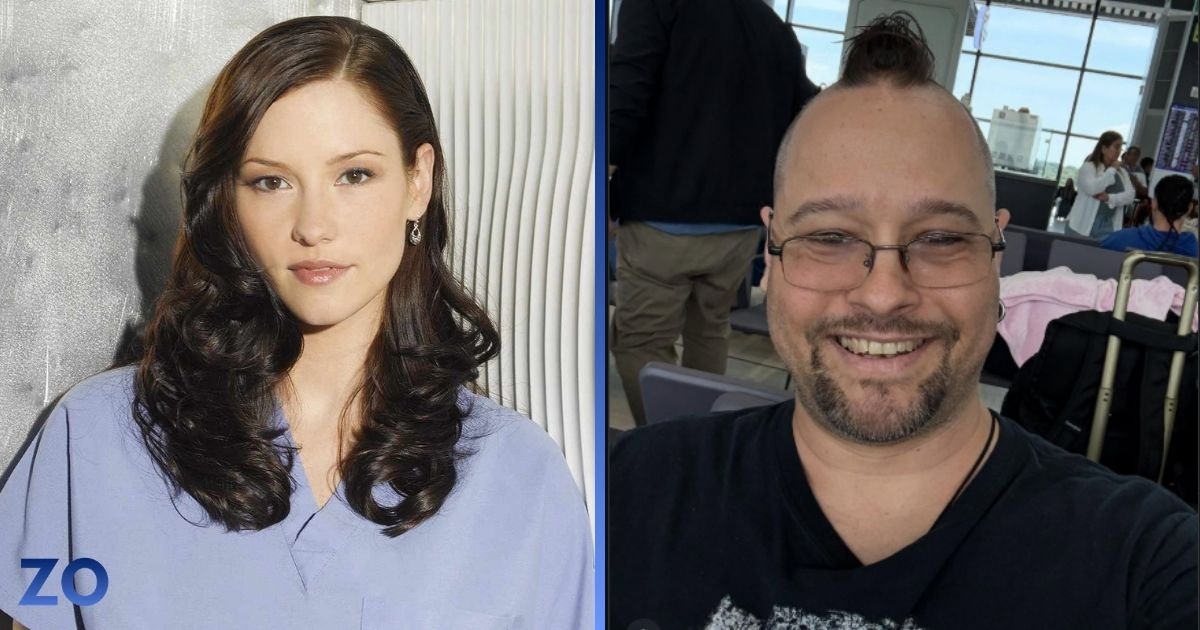
When people hear the name Christopher Khayman Lee, many instantly think of the Red Space Ranger from Power Rangers in Space. But his story is much more than just one famous role. He is also an actor, writer, producer, martial artist, and a creative mind behind his own comic book projects.
His journey is not a straight path. It is filled with family struggles, big risks, and smart choices. From a tough childhood to building his own creative brand, his life feels very real and relatable. If you have ever wondered how someone moves from TV fame to building something of their own, his story is worth exploring.
Profile Summary
| Profile Detail | Information |
|---|---|
| Full Name | Christopher Lee Potts |
| Professional Name | Christopher Khayman Lee |
| Date of Birth | March 11, 1978 |
| Age (2026) | 48 Years Old |
| Birthplace | Miami, Florida, United States |
| Current Residence | Greater Los Angeles Area, California |
| Nationality | American |
| Ethnicity | Caucasian |
| Profession | Actor, Producer, Writer, Comic Book Creator |
| Famous For | Playing Andros in Power Rangers in Space |
| Education | Local Schools in Virginia Beach and Miami |
| Height | Approximately 5 ft 11 in (180 cm) |
| Weight | Approximately 175 lbs (79 kg) |
| Eye Color | Hazel-Green |
| Hair Color | Dark Brown / Light Brown |
| Marital Status | Unmarried |
| Children | None |
| Father | Robert Potts |
| Mother | Yvonne Norton |
| Sister | Chyler Leigh |
| Brother-in-Law | Nathan West |
| Nephew | Noah Wilde West |
| Nieces | Taelyn Leigh West, Anniston Kae West |
| Net Worth (2026) | Estimated $1 Million–$2 Million |
| Main Income Sources | Acting, Comics, YouTube, Twitch, Conventions |
| Comic Company | West Coast Comics |
| Famous Comic Series | LA Crazy Town |
| Digital Project | Bloodline of the Grid |
| Known For Franchise | Power Rangers |
| Social Platform | Twitch, YouTube |
| Notable Skill | Martial Arts |
Christopher Khayman Lee’s Early Life, Birth Name, Family Roots, and Childhood Background
Christopher Khayman Lee was born as Christopher Lee Potts on March 11, 1978, in Miami, Florida. Even though he was born there, he did not spend all his early years in Miami. He grew up mostly in Virginia Beach, Virginia, where his parents were running a small business.
His childhood was not easy. His parents, Yvonne Norton and Robert Potts, owned a weight-loss clinic. For a while, things were stable. But in 1990, the business failed and went into bankruptcy. A few years later, in 1994, his parents got divorced. Imagine being a teenager and watching your family go through both money problems and a breakup at the same time. It shaped him in a big way.
After the divorce, he moved back to Miami with his mother and his younger sister, Chyler Leigh. This move was not just about changing cities. It was about starting over. New place, new life, and new challenges. This period played a huge role in building his strong bond with his sister and pushing him toward something bigger.
Yvonne Norton and Robert Potts as the Forces Behind His Early Story
Christopher Khayman Lee’s story cannot be understood without talking about his parents. His mother, Yvonne Norton, played a very important role in shaping his future. After the family moved to Miami, she helped both Christopher and Chyler find their way into the entertainment world. She introduced them to modeling, small ads, and acting classes.
Think of her as someone who saw potential early and pushed her kids in the right direction. She was not just a parent. In many ways, she acted like their first manager. Without her guidance, their entry into acting might have taken much longer or may not have happened at all.
His father, Robert Potts, had a different role in the story. He was a fitness and wellness entrepreneur and worked with the family business in Virginia Beach. After the business failed and the marriage ended, he stayed behind while the rest of the family moved away. This created distance between him and his children for many years. Over time, there were efforts to reconnect, especially with his daughter, but the early separation left a lasting mark on the family.
How Christopher Khayman Lee Entered Acting and Used His Martial Arts Background
Interestingly, Christopher Khayman Lee did not always dream of becoming an actor. His interest started when he saw his younger sister doing well in modeling and commercials. Watching someone close to you succeed can change your thinking, right? That is exactly what happened here.
At the age of 17, he took his first acting class. And things moved fast after that. Within a short time, he started getting attention. His natural confidence and physical ability helped him stand out from others. This is where his martial arts background became very useful.
He had trained in martial arts from a young age. This helped him land a role in Kickboxing Academy in 1997. It also gave him an advantage later because he could perform many of his own stunts. Another important decision he made was adding “Khayman” to his name. He wanted to avoid confusion with the famous British actor Sir Christopher Lee. It was a simple but smart move for building his own identity.
Christopher Khayman Lee in Power Rangers in Space and the Lasting Legacy of Andros
The big turning point came when Christopher Khayman Lee landed the role of Andros in Power Rangers in Space in 1998. This was not just another role. It was a lead role that changed his life completely. He played the Red Space Ranger, a strong and serious character from a fictional planet called KO-35.
His character was different from earlier Rangers. He was more serious, more emotional, and often felt alone. The creators even wanted him to feel isolated in real life so that it would show on screen. On his first day, he was told not to spend time with other cast members. But in a surprising twist, the cast welcomed him warmly when they met at the famous Vasquez Rocks location.
There are many interesting behind-the-scenes details from this time. For example, his unique hair look was real. He had to bleach his hair again and again to get that style. It was painful and required effort. His character also played a huge role in the story by breaking Zordon’s energy tube, which became one of the most important moments in the entire franchise.
Christopher Khayman Lee’s Full Acting Career Beyond Power Rangers
Even though many people remember him mainly from Power Rangers, his acting career includes more than that. He appeared in several TV shows and films during the late 1990s and early 2000s. One of his early works was Kickboxing Academy, where he acted alongside his sister.
He also worked on Safe Harbor, a show produced by Aaron Spelling. This project is interesting because both Christopher and his sister were cast in it. It shows how their careers often crossed paths in the early days. He later appeared in shows like 7th Heaven, All About Us, and That ’70s Show.
Over time, he stepped away from regular acting roles. But that does not mean he left the industry. Instead, he started exploring new ways to stay creative and connected. He even returned to his Power Rangers character in special appearances and digital projects, which kept his legacy alive among fans.
West Coast Comics, LA Crazy Town, Bloodline of the Grid, and His Independent Creator Era
After stepping back from mainstream acting, Christopher Khayman Lee took a different path. Instead of waiting for roles, he decided to create his own work. This is when he launched his company, West Coast Comics. It gave him full control over his stories and ideas.
His main project under this company is LA Crazy Town. He is not just the face of it. He writes it, develops it, and helps shape everything about it. This shows a big shift in his career. He moved from acting in someone else’s story to building his own world.
He also worked on a digital project called Bloodline of the Grid. This project connects deeply with his Power Rangers past and gives fans something new to enjoy. Along with that, he stays active online through his YouTube and Twitch channels. He talks to fans, shares stories, and keeps his connection strong. It is clear that he understands how important the audience is in today’s world.
Meet his Sister, Chyler Leigh
To fully understand Christopher Khayman Lee, we must talk about his sister, Chyler Leigh. She is not just a famous actress. She is also a big part of his life story. Chyler Leigh Potts was born on April 10, 1982, in Charlotte, North Carolina. Like her brother, she faced a childhood full of change, moves, and family struggles.
When the family moved to Miami, she started modeling at a young age. She was only around 12 years old when she began working in ads. Soon after, she got a chance to host a teen show called Hall Pass. This early success made a big impact on Christopher. Watching his younger sister grow so fast made him think, “Why not try this too?” That moment helped shape his future.
Chyler’s acting career grew quickly. She worked with Christopher in Kickboxing Academy in 1997. Later, both of them appeared together in Safe Harbor in 1999. This was a special time because they were working side by side. It is not common for siblings to share such early career moments on screen. It helped them stay close even as their careers started to grow.
Her big breakthrough came in 2001 when she played Janey Briggs in Not Another Teen Movie. After that, she became a well-known face on television. She played Dr. Lexie Grey in Grey’s Anatomy, Alex Danvers in Supergirl, and later Kat Landry in The Way Home. These roles made her a strong name in the TV world.
In her personal life, she met actor Nathan West at a young age. They started dating and later got married in 2002 in Alaska. Together, they had three children: Noah Wilde West, Taelyn Leigh West, and Anniston Kae West.
Her Bond with Christopher Khayman Lee
The bond between Christopher Khayman Lee and Chyler Leigh is very strong. It was built during hard times. Think about it. They went through business failure, their parents’ divorce, and a sudden move together. These moments made them rely on each other. They supported each other when things were not easy.
Even in their careers, they stayed connected. They started together, grew in different directions, but never lost that link. Their story shows how family support can help people survive tough times and still succeed. It is not just about fame. It is about staying strong together.
Christopher Khayman Lee’s Net Worth, Income Sources and Convention Presence
Now let’s talk about his current life and financial side. Christopher Khayman Lee has an estimated net worth between 1 million and 2 million dollars as of 2026. This may not seem very high compared to big Hollywood stars, but his income comes from many different sources. He has built a steady and smart system for earning.
His main income comes from his comic company, West Coast Comics. His project LA Crazy Town brings in money through sales, digital downloads, and merchandise. He also earns from his digital work like Bloodline of the Grid, where fans support his content. Platforms like YouTube and Twitch help him stay connected and also add to his income.
Another important part of his earnings comes from conventions. Events like Power Morphicon bring in money through autograph sessions, photos, and fan meetings. Even years after his main TV role, people still want to meet him. That shows how strong his fan base is. He also gets small payments from his past shows through royalties.
Current Life and Final Thoughts
Today, he lives in the Greater Los Angeles Area and works from Southern California. He travels across North America for fan events and conventions. He is not just an actor anymore. He is a creator, a businessman, and someone who understands how to stay relevant in a changing world.
So what can we learn from his story? Christopher Khayman Lee shows that one role can open doors, but what you do next matters even more. He did not stay stuck in the past. He moved forward, built his own brand, and stayed connected with his fans.
In the end, his journey feels very real. It is about growth, change, and making smart choices. From a young boy facing family struggles to a creator running his own projects, his story is simple but powerful. And that is what makes it worth reading.
FAQs
How old is Christopher Khayman Lee in 2026?
Christopher Khayman Lee was born on March 11, 1978. As of 2026, he is 48 years old. He became widely known during the late 1990s when he starred in Power Rangers in Space as Andros, the Red Space Ranger.
What is Christopher Khayman Lee’s height?
Christopher Khayman Lee is estimated to be around 5 feet 11 inches tall, which is approximately 180 centimeters. He is also known for maintaining an athletic build thanks to his martial arts training.
Who are Christopher Khayman Lee’s parents?
His parents are Yvonne Norton and Robert Potts. They operated a weight-loss business in Virginia Beach, Virginia, before the company faced bankruptcy. After their divorce, Christopher moved with his mother and sister to Miami, Florida.
Is Christopher Khayman Lee related to Chyler Leigh?
Yes. Chyler Leigh is Christopher Khayman Lee’s younger sister. She is a successful actress best known for her roles in Grey’s Anatomy, Supergirl, and The Way Home. The siblings worked together early in their careers and share a strong family bond.
What is Christopher Khayman Lee’s net worth?
As of 2026, Christopher Khayman Lee’s estimated net worth is between $1 million and $2 million. His income comes from acting royalties, comic book publishing, convention appearances, digital media projects, and fan-supported content.
READ ALSO: Who Is Veronica Vergara? All You Need to Know About Sofía Vergara’s Sister
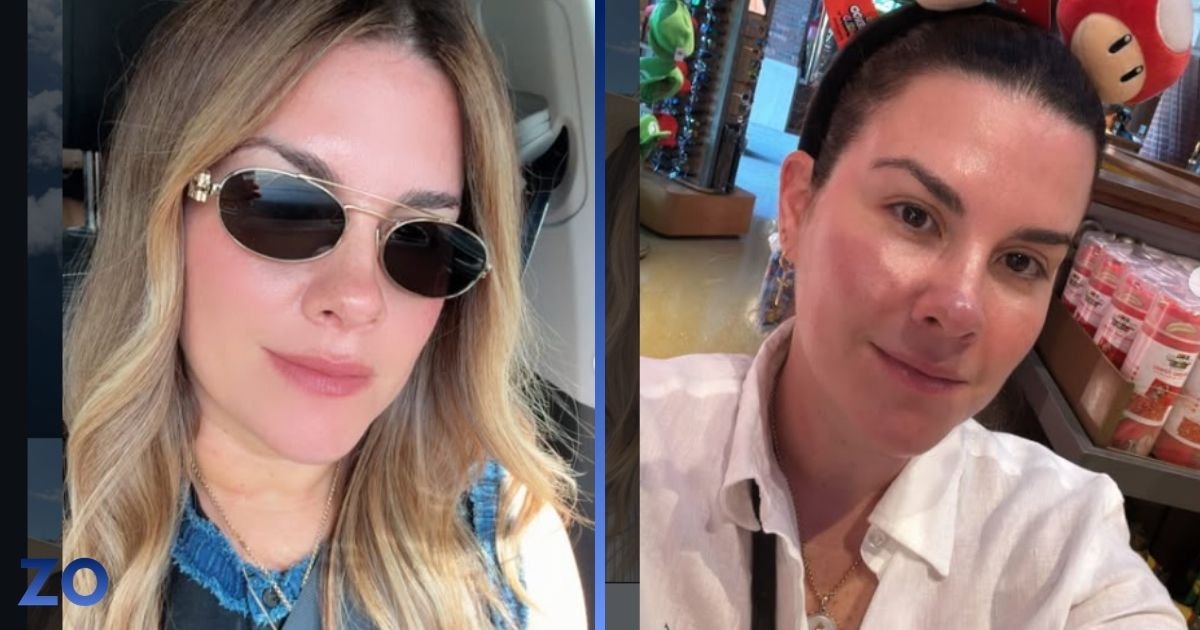
When people hear the name Veronica Vergara, they often think of her famous sister. But there is much more to her story than just being part of a celebrity family. She is someone who chose a different path. A quieter one. A more personal one. And that makes her story just as interesting.
Think about this for a second. What would you do if your sibling was one of the biggest stars in the world? Would you follow the same path, or would you stay in your own space? Veronica Vergara chose to stay grounded. She stayed close to her family. She built her life around love, support, and privacy. And that is exactly what makes her story worth telling.
Profile Summary
| Field | Details |
|---|---|
| Full Name | Verónica Vergara |
| Known For | Sister of Sofía Vergara |
| Profession | Singer, Vocalist, Creative Professional |
| Gender | Female |
| Birth Date | August 12 |
| Birth Year | Not Publicly Disclosed |
| Age | Estimated 40s to Early 50s (as of 2026) |
| Birthplace | Barranquilla, Atlántico, Colombia |
| Nationality | Colombian |
| Ethnicity | Hispanic / Latina |
| Religion | Roman Catholic |
| Current Residence | Miami, Florida, and Los Angeles, California |
| Height | Approximately 5 ft 6 in (167 cm) |
| Weight | Approximately 135 lbs (61 kg) |
| Hair Color | Dark Brown |
| Eye Color | Brown |
| Father | Julio Enrique Vergara Robayo |
| Mother | Margarita Vergara Dávila de Vergara |
| Sister | Sofía Vergara |
| Sister / Cousin | Sandra Vergara |
| Brothers | Rafael Vergara (Deceased), Julio Vergara |
| Nephew | Manolo Gonzalez Vergara |
| Niece | Claudia Vergara |
| Education | Private Education (Details Not Public) |
| Occupation History | Singer, Performer, Family Business Support |
| Associated Company | Latin World Entertainment (LatinWE) |
| Associated Brand | Toty |
| Languages | Spanish, English |
| Net Worth | Estimated $500,000–$1.5 Million |
| Main Income Sources | Music, Private Projects, Family Business Activities |
| Social Media | Primarily Private Accounts |
| Famous For | Being Sofía Vergara’s Sister and Family Support Figure |
| Residence History | Barranquilla, Colombia; Miami, Florida; Los Angeles, California |
Veronica Vergara’s Early Life and Family Background in Barranquilla
Veronica Vergara was born in the beautiful coastal city of Barranquilla in Colombia. This city is known for its warm weather, strong culture, and lively people. She grew up in a comfortable home with strong family values. Her parents, Julio Enrique Vergara Robayo and Margarita Vergara Dávila de Vergara, created a stable and loving environment for their children.
Her father worked as a cattle rancher, while her mother managed the home and raised the family. Life was simple but full of tradition. Veronica grew up in a bilingual household, speaking both Spanish and English. She also followed the Roman Catholic faith, which played a big role in how the family lived and celebrated life.
She spent her early years surrounded by siblings, cousins, and extended family members. It was a busy home, full of noise, laughter, and strong connections. Her birthday is celebrated every year on August 12, but her exact birth year has always been kept private. This shows how early on, privacy was already part of her life.
All About Siblings Love & Bond
If there is one thing that truly defines Veronica Vergara, it is her bond with her siblings. The Vergara family is not just close. They are deeply connected. Their relationship is built on trust, love, and shared experiences, both happy and painful.
One of the most touching parts of this story is the connection between Veronica and her sister Sandra. Sandra was actually their cousin by birth. But when Sandra was just a baby, Veronica’s mother adopted her into the family. At that time, Veronica was only seven years old. She instantly became attached to the baby and even called her a “live doll.” It may sound playful, but that moment created a lifelong bond.
Over the years, Sandra has often said that Veronica is her best friend. Not just a sister, but someone she can always rely on. Their connection is real and deep. It is not about fame or success. It is about growing up together, sharing memories, and supporting each other through everything.
The bond between Veronica, Sofía, and Sandra is also very strong. They celebrate holidays together, dance at family events, and support each other during big moments in life. Whether it is a happy celebration or a difficult time, they always stand together.
Meet Her Siblings, One by one
The story of Veronica Vergara cannot be complete without understanding her siblings. Each one has played a role in shaping the family and their journey.
Rafael Vergara was the older brother. His life ended in a tragic way in 1998 during a kidnapping attempt in Colombia. This was a heartbreaking moment for the entire family.
Sofía Vergara is the most well-known sibling. She became a global star through her work in television and film. From her early days in Colombia to becoming a household name in the United States, her journey has been remarkable. She built a successful career and later expanded into business with projects like Latin World Entertainment and her brand Toty.
Julio Vergara is another sibling who has lived a more private life. He has faced personal struggles and has stayed away from the spotlight. His story shows that not every member of a famous family follows the same path.
Then there is Sandra Vergara. Even though she was born as a cousin, she grew up as a sister. She later moved into the entertainment world and built her own career. She even joined reality television, showing a more public side of her life compared to Veronica.
The 1998 Family Tragedy and the Move to Miami
The year 1998 changed everything for Veronica Vergara and her family. The loss of Rafael Vergara was not just painful. It also created fear and uncertainty. Living in Colombia at that time became difficult for the family, especially after such a tragic event.
Sofía Vergara stepped up during this time. She took on a strong and protective role. She made the decision to move the family to Miami, Florida. This was not an easy choice, but it was necessary. The goal was simple. Keep the family safe and give them a better future.
For Veronica, this move was a big change. She left behind her childhood home, her friends, and everything familiar. Starting over in a new country is never easy. But the family stayed together, and that made all the difference.
Life in Miami gave them new opportunities. It also brought them closer. They learned to depend on each other even more. This moment in their lives shaped who Veronica Vergara would become. Strong, loyal, and deeply connected to her family.
Veronica Vergara’s Career, Creative Life, and Work Behind the Scenes
Unlike her sister, Veronica Vergara did not chase fame. She chose a quieter path. But that does not mean she stayed away from creativity. She has always had a passion for music and has worked as a singer and vocalist.
She has performed live and has been involved in music projects, even if they were not widely publicized. In one example, Sofía even promoted her performance in Miami, showing how proud the family is of her talent. Her work may not always be in the spotlight, but it is real and meaningful.
Veronica has also played a role behind the scenes. She has supported the family’s business efforts, especially Latin World Entertainment. Instead of being the face of projects, she helps in quieter ways. She also supports brand launches like Toty and other family ventures.
This shows something important. Success does not always mean being famous. Sometimes, it means doing what you love and staying true to yourself. Veronica Vergara is a perfect example of that.
Veronica Vergara and Her Relationship with Sofía Vergara
The relationship between Veronica Vergara and Sofía Vergara is one of strong support and deep understanding. Even though Sofía became one of the most famous actresses in the world, their bond has remained simple and real.
Sofía’s life has been full of big moments. From starring in Modern Family to becoming a judge on America’s Got Talent, she has built an impressive career. She also went through personal challenges, including health issues and public relationships.
During all these moments, Veronica has always been there. Not in front of cameras, but right beside her sister. She supports her during happy times, like awards and business launches, and also during difficult moments, like her divorce.
Their relationship shows that fame does not change real family bonds. At the end of the day, they are still sisters who rely on each other.
Veronica Vergara’s Private Life, Personality, and Present-Day Lifestyle
One thing that stands out about Veronica Vergara is how private she is. In a world where people share everything online, she has chosen to keep her life personal. She does not talk about her relationships, and she avoids public attention.
Her social media accounts are mostly private. She rarely appears alone at big events. Instead, she stays in the background or attends events with her family. This is a clear choice she has made to protect her peace.
She currently spends her time between Miami and Los Angeles. This allows her to stay close to her family while also enjoying a balanced life. She is known for being calm, supportive, and deeply family-focused.
Veronica Vergara’s Role as an Aunt and Family Supporter
Even though Veronica Vergara stays away from the spotlight, her role inside the family is very important. She is not just a sister. She is also a caring aunt and a strong support system for the next generation. Her connection with her nephew, Manolo Gonzalez Vergara, is very close. She has been part of his life since he was young, offering guidance, love, and support as he built his own career.
She also shares a warm bond with her niece, Claudia Vergara. Claudia is active in fashion and social media, and Veronica is often there during family events and important moments. Even if Veronica is not always in front of the camera, her presence is always felt. She helps keep the family connected and grounded, especially during busy or stressful times.
You can think of her as the calm center of the family. When things get loud or difficult, she is the one who brings balance. For example, during Sofía’s public breakup and divorce, Veronica stayed close and helped her through it. She did not speak to the media or create attention. She simply did what family members do.
Veronica Vergara’s Legacy of Privacy, Values, and Family First
Another interesting thing is how different each sister is. Sandra Vergara is more open to public life and has appeared on shows like Selling Sunset. Sofía built a global career in acting and business. But Veronica chose something else. She chose peace, privacy, and family first. And that choice is just as powerful.
Her story also shows that success does not have only one meaning. For some people, success is fame and money. For others, it is happiness, strong relationships, and living a life on your own terms. Veronica Vergara represents that second path very clearly.
She has spent much of her life protecting her privacy. Unlike many people connected to celebrities, she does not share details about her relationships or personal matters. She prefers to focus on the people closest to her and the values she grew up with in Colombia.
Where Is Veronica Vergara Now? Final Thoughts
As of 2026, Veronica Vergara continues to live a balanced life between Miami and Los Angeles. She stays close to her family and supports their work quietly. She is still involved in music and creative projects, even if they are not widely shared with the public. She also continues to support family businesses like Latin World Entertainment and Toty.
In the end, Veronica Vergara’s story is simple but meaningful. She grew up in a strong family, faced a painful tragedy, and helped rebuild life in a new country. She stayed loyal to her roots and to the people she loves.
FAQs
How old is Veronica Vergara?
Veronica Vergara’s exact birth year has not been publicly disclosed. Based on available information, she is believed to be in her 40s or early 50s as of 2026. Her birthday is celebrated on August 12 each year.
Who are Veronica Vergara’s parents?
Veronica Vergara is the daughter of Julio Enrique Vergara Robayo and Margarita Vergara Dávila de Vergara. Her father was a cattle rancher in Colombia, while her mother managed the family household and raised the children.
Is Veronica Vergara related to Sofía Vergara?
Yes. Veronica Vergara is the biological sister of actress and entrepreneur Sofía Vergara. The sisters share a very close relationship and have supported each other through major family and personal milestones.
What is Veronica Vergara’s net worth?
Veronica Vergara’s estimated net worth is between $500,000 and $1.5 million. Her income is believed to come from music-related work, private creative projects, and involvement in family business ventures.
What is Veronica Vergara’s ethnicity?
Veronica Vergara is Hispanic/Latina and of Colombian heritage. She was born and raised in Barranquilla, Colombia, and comes from a family with roots commonly associated with the Caribbean region of Colombia.
READ ALSO: Who is JD Hart? All You Need To Know About Gigi Garner’s Ex-Husband

Who is Jasmine Marin? All You Need to Know About Cheech Marin’s Daughter

Who is Mary Butler? All About the Life of Mohamed Hadid’s First Wife

James Maby: All About Stacey Dash’s Ex-Husband and His Life Story
Who is Cooper Dominic Zee? Inside the Life of Ming-Na Wen and Eric Michael Zee’s Son

Who Is Chris Alvarado? Inside the Life of Jessica Lowe’s Husband
Who Was Judy Howard? Inside the Life of Rance Howard’s Wife and Her Legacy
-
Celebrity7 months ago
Who is Cooper Dominic Zee? Inside the Life of Ming-Na Wen and Eric Michael Zee’s Son
-
 Celebrity5 months ago
Who Is Chris Alvarado? Inside the Life of Jessica Lowe’s Husband
-
Celebrity5 months ago
Who Was Judy Howard? Inside the Life of Rance Howard’s Wife and Her Legacy
-
 Biographies5 months ago
Who Is Clement Giraudet? All You Need To Know About Robin Wright’s Former Husband
-
 Biographies4 months ago
Who Is Meaghan Chapman? Inside the Private Life of Kevin Chapman’s Wife
-
 Biographies5 months ago
Who is Kelsey Pryor? All About The Life Of Richard Pryor’s Daughter
-
 Celebrity5 months ago
Who is Amelinda Smith? Inside the Life of Ethan Embry’s Ex-Wife
-
 Biographies5 months ago
Who is James Thomas Cameron? All About the Life of Kirk Cameron and Chelsea Noble’s Son